Raw materials
The heart of our quality
RAW MATERIALS - The heart of our quality
The decisive factor for the quality of our nonwoven products is the targeted selection and precise mixing ratio of the raw materials used.
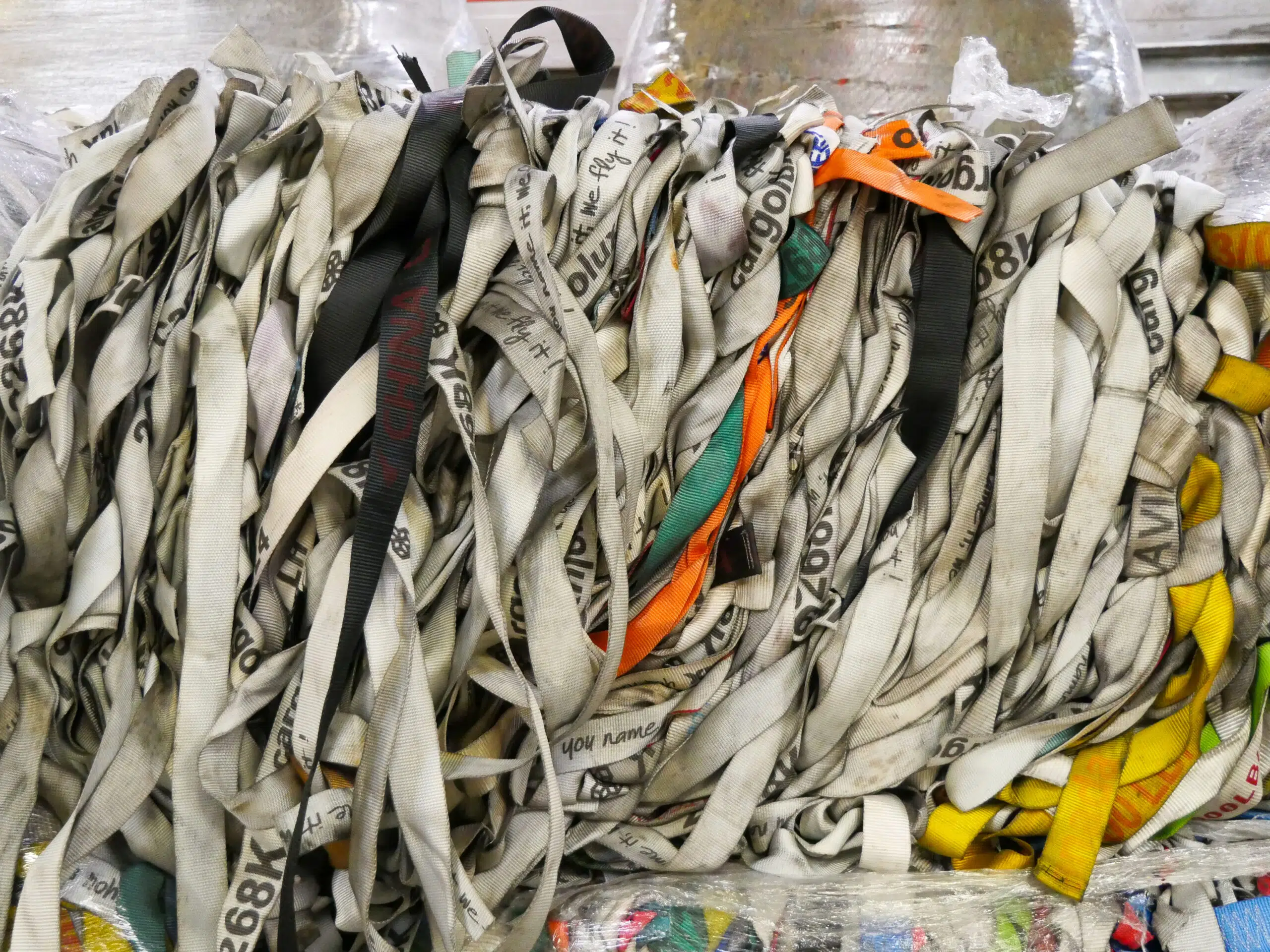
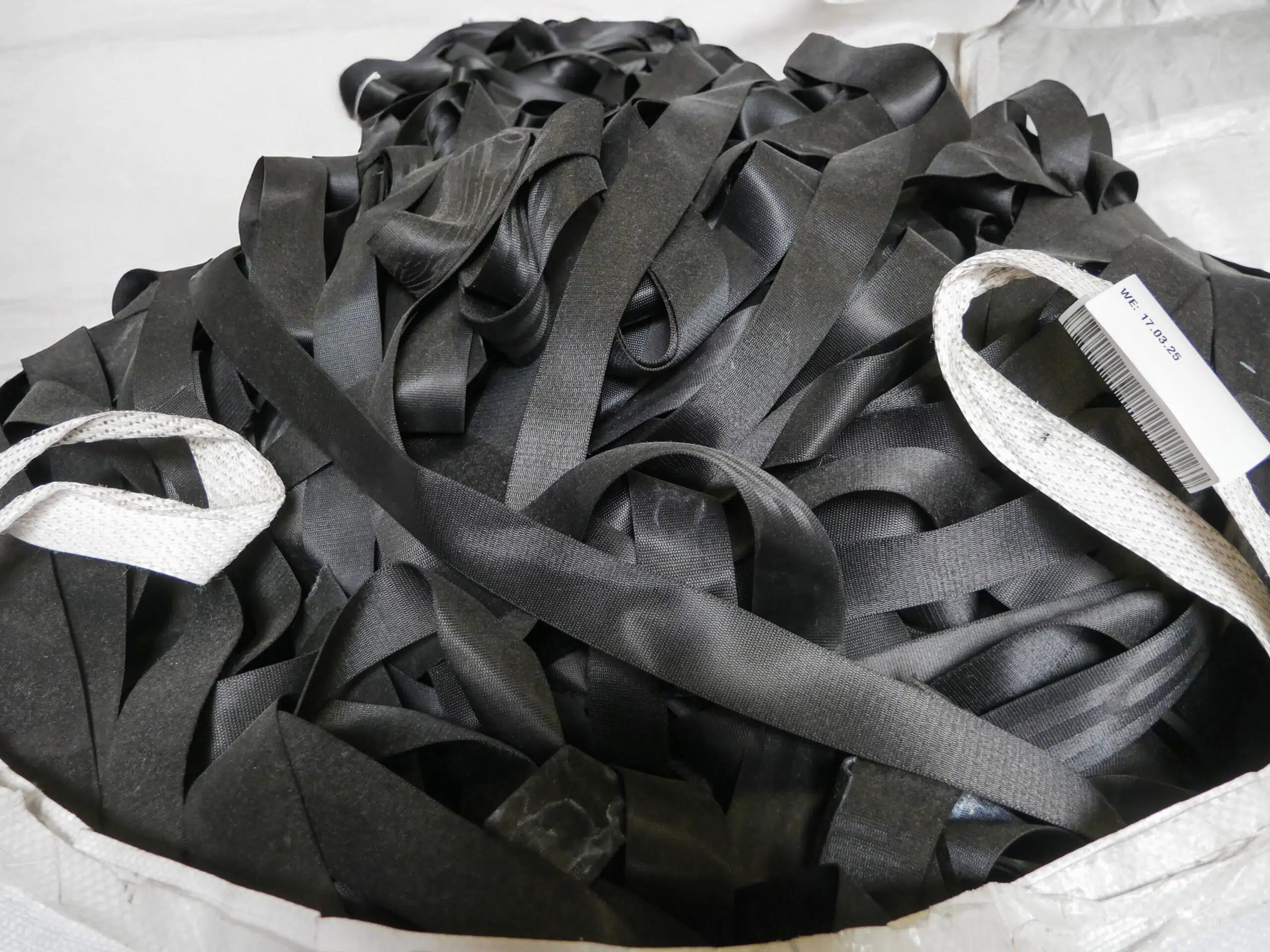
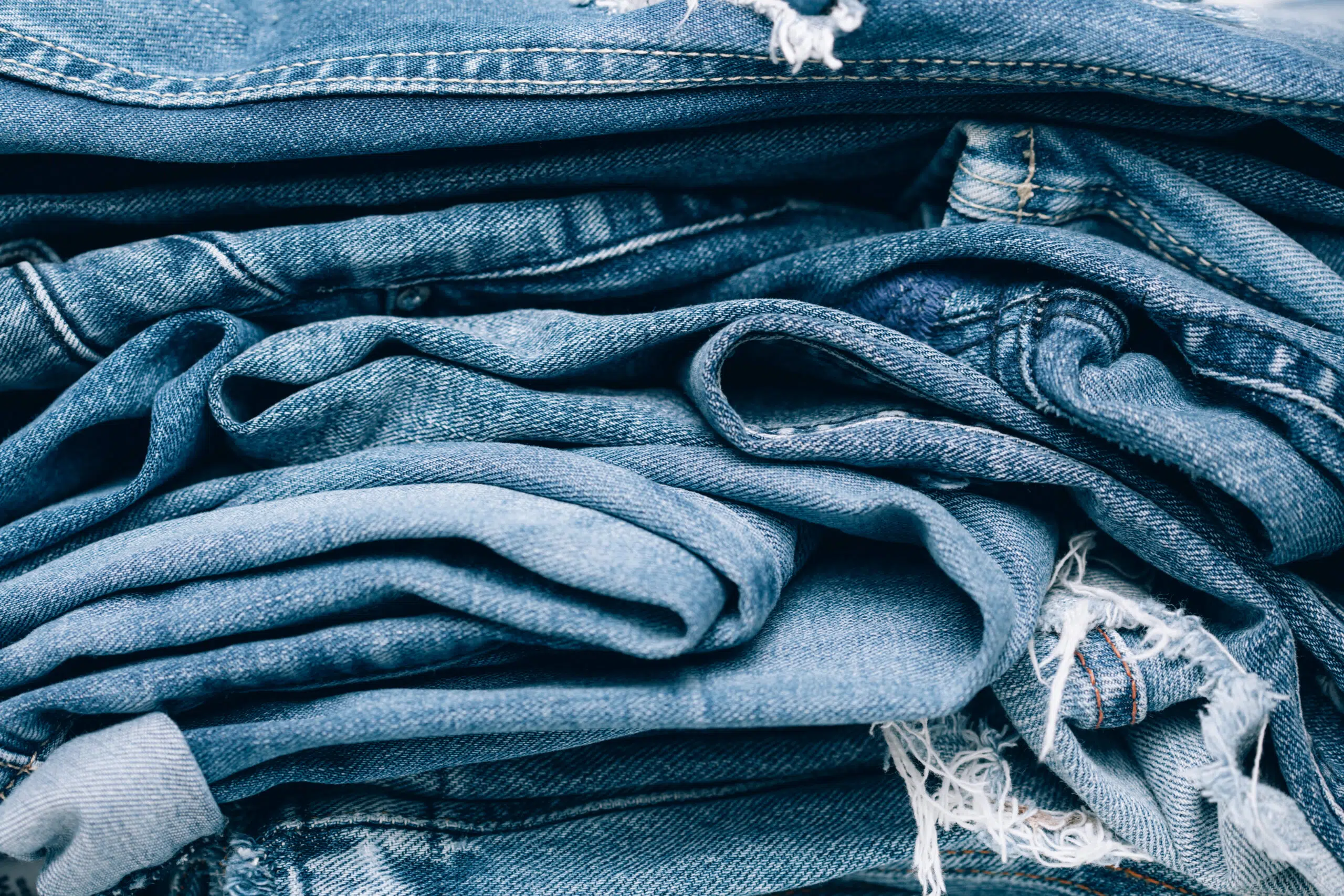
Our sister company ALTEX Textil-Recycling recycles textile waste materials – such as old clothing, seat belts, protective and work clothing, punching waste and many other materials – and breaks them down into their individual fibers. These form the basis for new, individually tailored fiber blends.
Depending on the desired product properties, we determine the optimum material mix, consisting of PES, PP, natural and recycled fibers. This allows us to precisely adjust the ratio and develop a tailor-made nonwoven that meets the highest standards for every product and customer requirement.
This is the core of what we do: textile waste is turned into new, high-quality products that are used worldwide in a wide range of applications.
This is how we live a genuine circular economy every day – an approach that inspires, motivates and makes us proud.
Our commitment:
Shaping the future with sustainable and recycled raw materials.
Pretty
green
produced.
Shaping the future with sustainable and recycled raw materials – that’s our thing!